Spalanzani's house
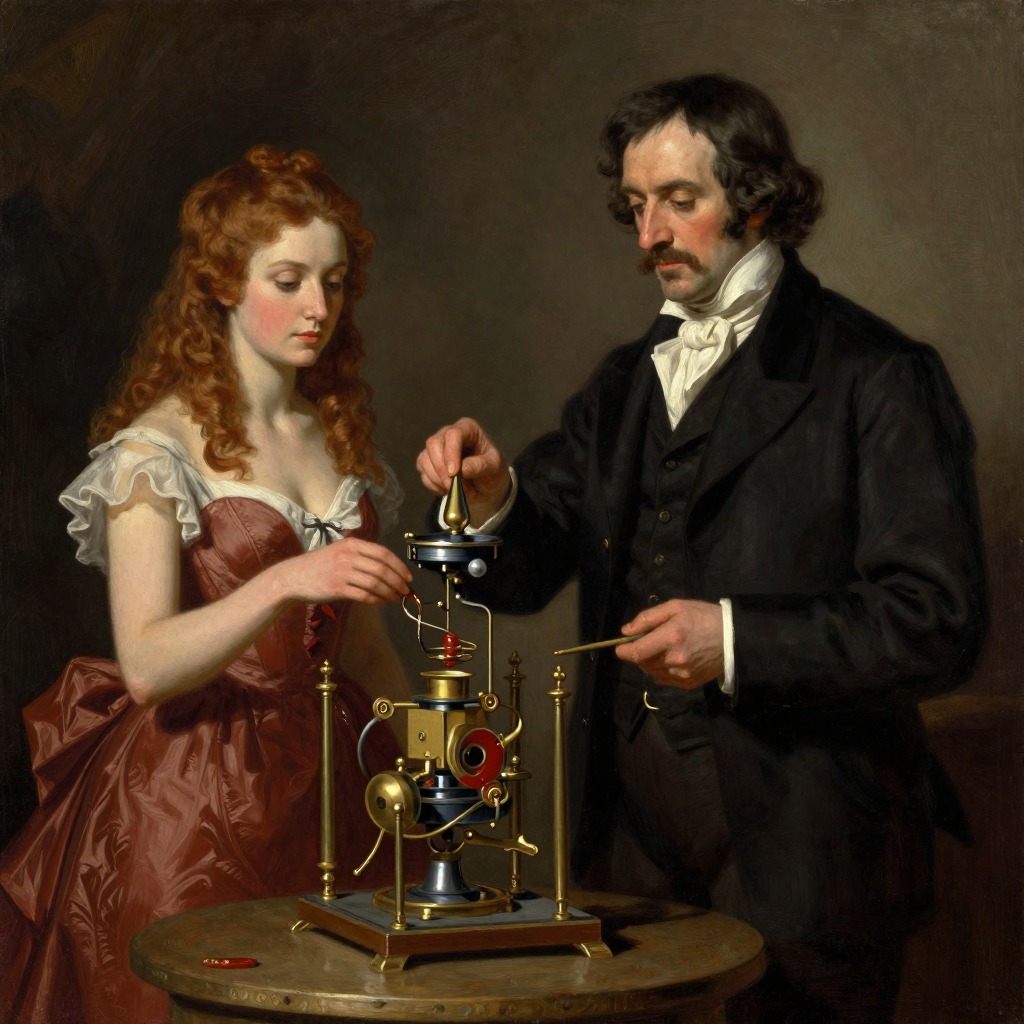
Spalanzani's house is the primary setting for the story's most consequential events, a space that oscillates between a locked, secretive laboratory and a glittering social stage, ultimately becoming the scene of a violent revelation that destroys Nathaniel's mind. It is here that the automaton Olympia is first glimpsed, publicly presented, and finally torn apart, making the house the physical and symbolic center of the narrative's exploration of deception, perception, and madness.
Appearance and Secretive Atmosphere
Nathaniel first becomes aware of Spalanzani's house when he glimpses Olympia through a crack in a glass door ordinarily covered by a curtain, seeing her seated at a little table with her hands folded, her eyes having a glassy quality as if she slept with open eyes. The house is initially characterized by an air of mystery and confinement; Spalanzani keeps his daughter locked up so that no one can come near her, leading Nathaniel to suspect she may be simple-minded. After Nathaniel moves into a room directly opposite the Professor's residence, he observes Olympia sitting for hours in the same stance, casting a fixed gaze in his direction, her figure visible but her facial features blurred and vague. The house's ordinarily dark and silent demeanor is broken when Spalanzani prepares a grand party, with doors thrown open, devices carried in, and carpenters and decorators hammering inside, signaling a dramatic shift from secrecy to public display.
The Party and the Introduction of Olympia
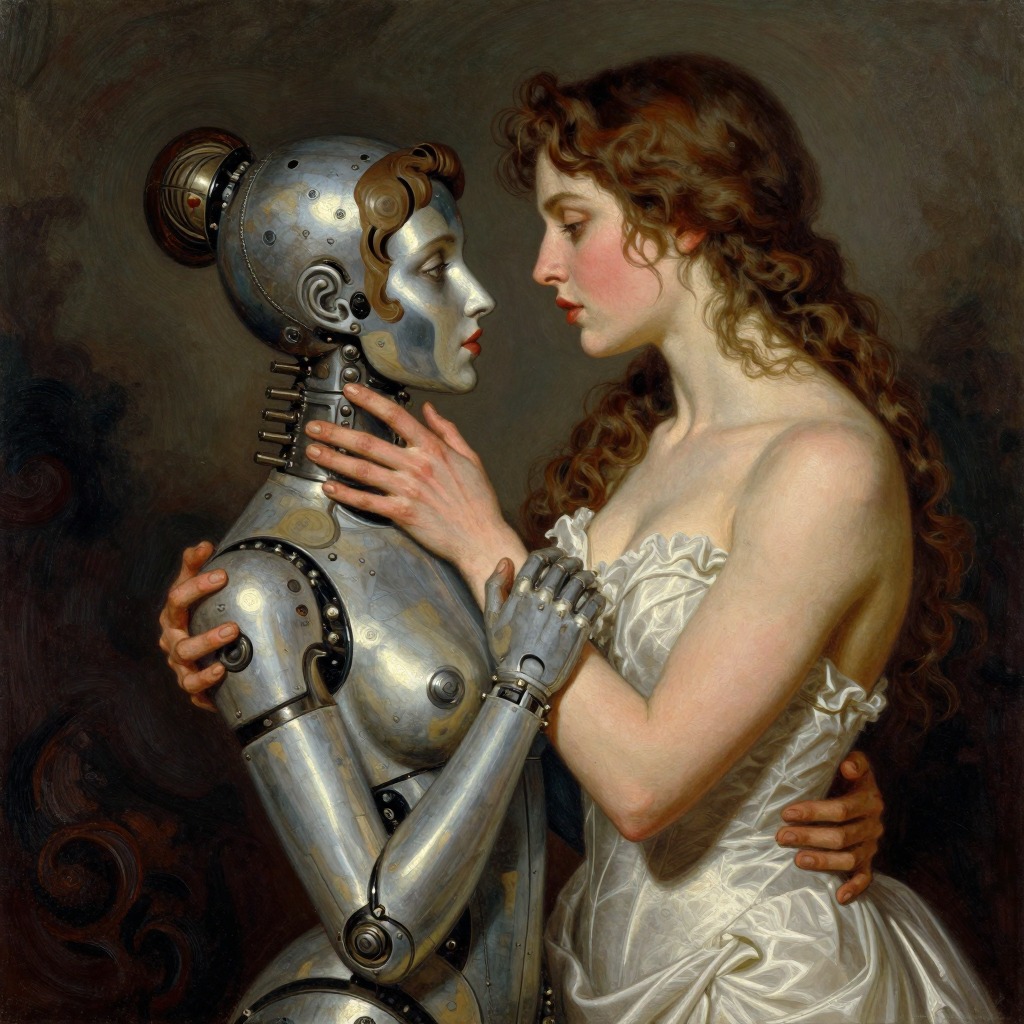
At the appointed hour, carriages roll up to the door and lights shimmer in the elegantly decorated rooms. Olympia appears richly and tastefully attired, and the company is numerous and glamorous. During the concert, Olympia plays the grand piano with great skill and sings a bravura aria with a clear, almost bell-glass-like voice. Nathaniel, captivated, uses Coppola's looking-glass to gaze at her, and through the lens he perceives her peering ardently in his direction. The ball follows, and Nathaniel dances with Olympia, whose hand is ice-cold at first but seems to warm as he holds her. The party ends with the hall empty and the last lights burning down, and Spalanzani paces slowly through the empty hall, his figure appearing terrifying and ghostlike. After the event, the house becomes the setting for Nathaniel's daily visits, where he sits with Olympia for hours, reading his poems and fantasies to her, while she listens with deep devotion, responding only with sighs of "Oh, Oh!"
The Violent Unmasking
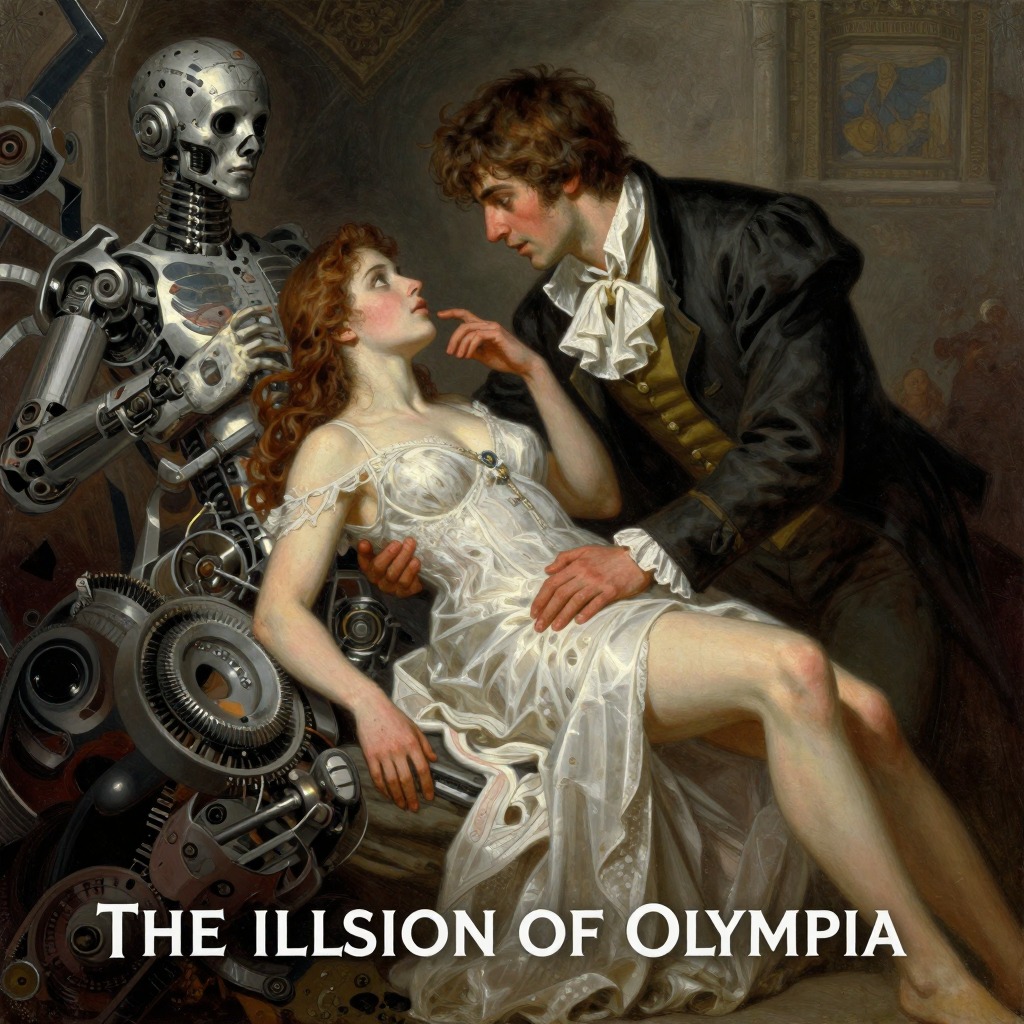
The house's secretive nature is violently shattered when Nathaniel, arriving to propose to Olympia, hears a strange din emanating from Spalanzani's study: stamping, clattering, shoving, and coarse imprecations. Bursting in, he finds Spalanzani and Coppola fighting over a female figure, tugging and tearing at her. Nathaniel recognizes the figure as Olympia, but in the struggle, Coppola yanks her free and, swinging her, strikes Nathaniel so hard he tumbles backward over a work table, smashing phials, retorts, bottles, and measuring glasses. Coppola then flings the figure over his shoulder and races down the steps, her ugly dangling feet banging with a wooden thud. Nathaniel sees that Olympia's deathly pallid wax face has no eyes, only black hollows; she is a lifeless doll. Spalanzani, bleeding from glass shards, cries out that Coppola has robbed him of his finest automaton, revealing twenty years of work invested in its clockwork, speech, and step. He flings a pair of bloody eyes at Nathaniel, striking him on the breast, and madness seizes Nathaniel, who attacks the Professor, screaming about a wooden doll and a ring of fire. The house, once a place of hidden wonder, becomes the site of a public scandal that forces Spalanzani to flee the university to escape criminal investigation for fraudulently introducing an automaton into human society.